

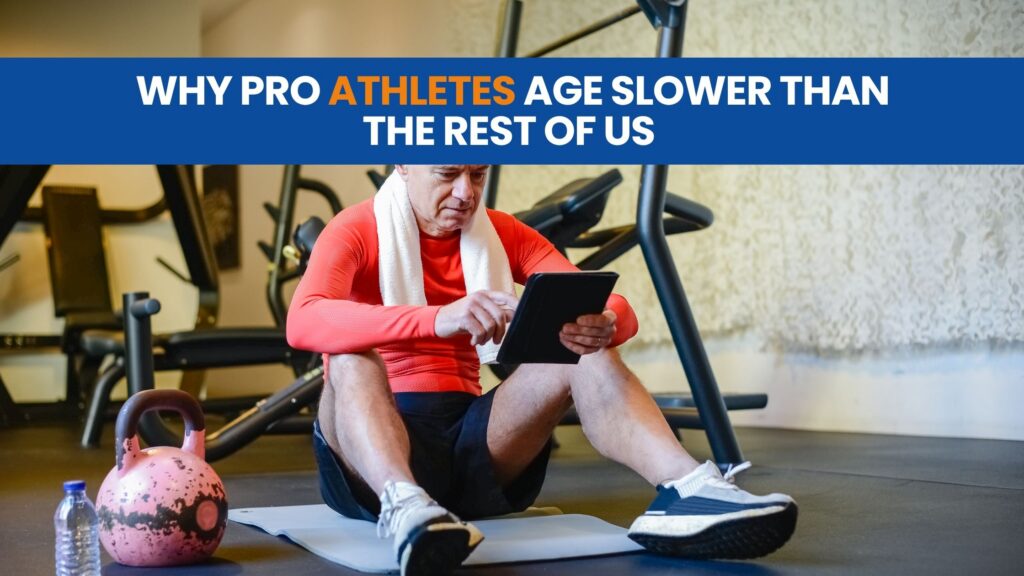
Pro athletes often age slower because they consistently invest in movement, recovery, mobility, strength training, nutrition, sleep, and stress management. These habits help preserve muscle mass, joint health, flexibility, and overall physical performance, allowing them to maintain a younger biological age than many sedentary adults.
Aging Isn’t Just About Wrinkles – It’s About How You Move
When most people think about aging, they picture grey hair, wrinkles, or slower metabolism. But experts increasingly recognize that aging is often reflected in how well your body moves. Mobility restrictions, muscle loss, poor recovery, and chronic stiffness can make someone feel decades older than they actually are.
This is where professional athletes stand apart. They don’t wait until they feel old to start taking care of their bodies. Instead, they build daily habits that protect movement quality, flexibility, strength, and recovery for years. Many incorporate assisted stretching into their wellness routines because it helps improve flexibility, joint mobility, and recovery while reducing muscle tension.
The average person often spends long hours sitting, experiences ongoing stress, and neglects recovery. Over time, these habits accelerate physical decline. Athletes, on the other hand, create environments where the body can continuously adapt, repair, and perform at a high level.
They Prioritize Mobility Like a Professional Investment
One major reason athletes maintain youthful movement is their commitment to mobility training.
As people age, connective tissues naturally become less elastic. Joints may lose range of motion, muscles tighten, and movement patterns become less efficient. Athletes actively fight these changes through structured stretching and mobility work.
Instead of viewing flexibility as optional, they consider it essential. Consistent mobility training helps improve posture, enhance circulation, and reduce stress placed on joints during movement.
Many elite performers regularly practice full body stretching to maintain healthy movement patterns throughout the entire body. This approach helps them continue moving freely while reducing the stiffness commonly associated with aging.
The result is a body that feels younger, moves better, and remains capable of handling physical demands well beyond what many people expect from middle age.
Muscle Mass Is the Secret Weapon Against Aging
One of the most overlooked factors in healthy aging is muscle preservation.
Beginning around age 30, adults naturally start losing muscle mass if they do not actively challenge their bodies. This decline can contribute to slower metabolism, reduced strength, lower energy levels, and decreased mobility.
Professional athletes consistently engage in resistance training, sport-specific conditioning, and performance-focused exercise. These activities help preserve lean muscle while supporting long-term physical resilience.
Modern fitness experts increasingly recommend combining strength development with strength and flexibility training because both systems work together. Flexibility improves range of motion, while strength allows the body to control and stabilize those movements effectively.
Athletes understand that muscle isn’t just about appearance. It’s one of the most powerful predictors of long-term health, functional independence, and overall longevity.
Recovery Is Treated Like Training
Perhaps the biggest difference between professional athletes and everyone else is how seriously they take recovery.
Most people focus entirely on exercise while ignoring what happens afterward. Athletes know that progress occurs during recovery, not just during workouts.
They prioritize sleep quality, hydration, mobility sessions, active recovery, and soft tissue care. These habits reduce inflammation and support tissue repair.
Many athletes also rely on assisted stretching recovery techniques to improve flexibility, release muscle tension, and enhance movement quality after intense training sessions. Recovery-focused stretching helps maintain performance while reducing accumulated wear and tear.
When recovery becomes part of the lifestyle, the body remains more adaptable and resilient over the long term.
They Move Throughout the Day
One of the simplest explanations for why athletes age better is that they rarely stop moving.
Movement stimulates circulation, lubricates joints, activates muscles, and supports metabolic health. In contrast, prolonged sitting has been linked to stiffness, poor posture, and reduced physical function.
Athletes naturally accumulate movement throughout the day through training, practice, recovery sessions, and active lifestyles. This constant activity helps maintain joint health and muscular coordination.
Today, many fitness professionals recommend combining daily movement habits with personal fitness programs that address mobility, recovery, and strength development simultaneously. These comprehensive programs create sustainable improvements rather than short-term results.
The body thrives on movement. Athletes simply provide more of it consistently.
They Adapt Instead of Breaking Down
A common misconception is that athletes stay young because they’re genetically gifted.
While genetics matter, adaptation plays a much larger role.
Elite performers constantly evaluate their bodies. They adjust training loads, recovery strategies, nutrition plans, and movement patterns based on changing needs. Rather than ignoring limitations, they address them early.
Many turn to assisted stretch therapy to identify mobility restrictions before they develop into chronic issues. This proactive approach allows them to maintain healthy movement patterns while minimizing unnecessary strain on joints and connective tissues.
Instead of allowing small problems to become major setbacks, athletes continuously refine how their bodies function.
The Mental Side of Staying Young
Healthy aging isn’t just physical.
Professional athletes often maintain strong mental habits that support longevity. They focus on goals, consistency, self-discipline, and stress management.
Chronic stress is associated with increased inflammation and accelerated aging. Athletes combat this through exercise, structured routines, recovery practices, and performance-focused mindsets.
Their psychological resilience often supports better sleep, healthier decision-making, and improved long-term wellness outcomes. This combination of physical and mental conditioning contributes significantly to their youthful appearance and performance.
What Everyday People Can Learn from Athletes
You don’t need to compete professionally to benefit from athlete-inspired habits.
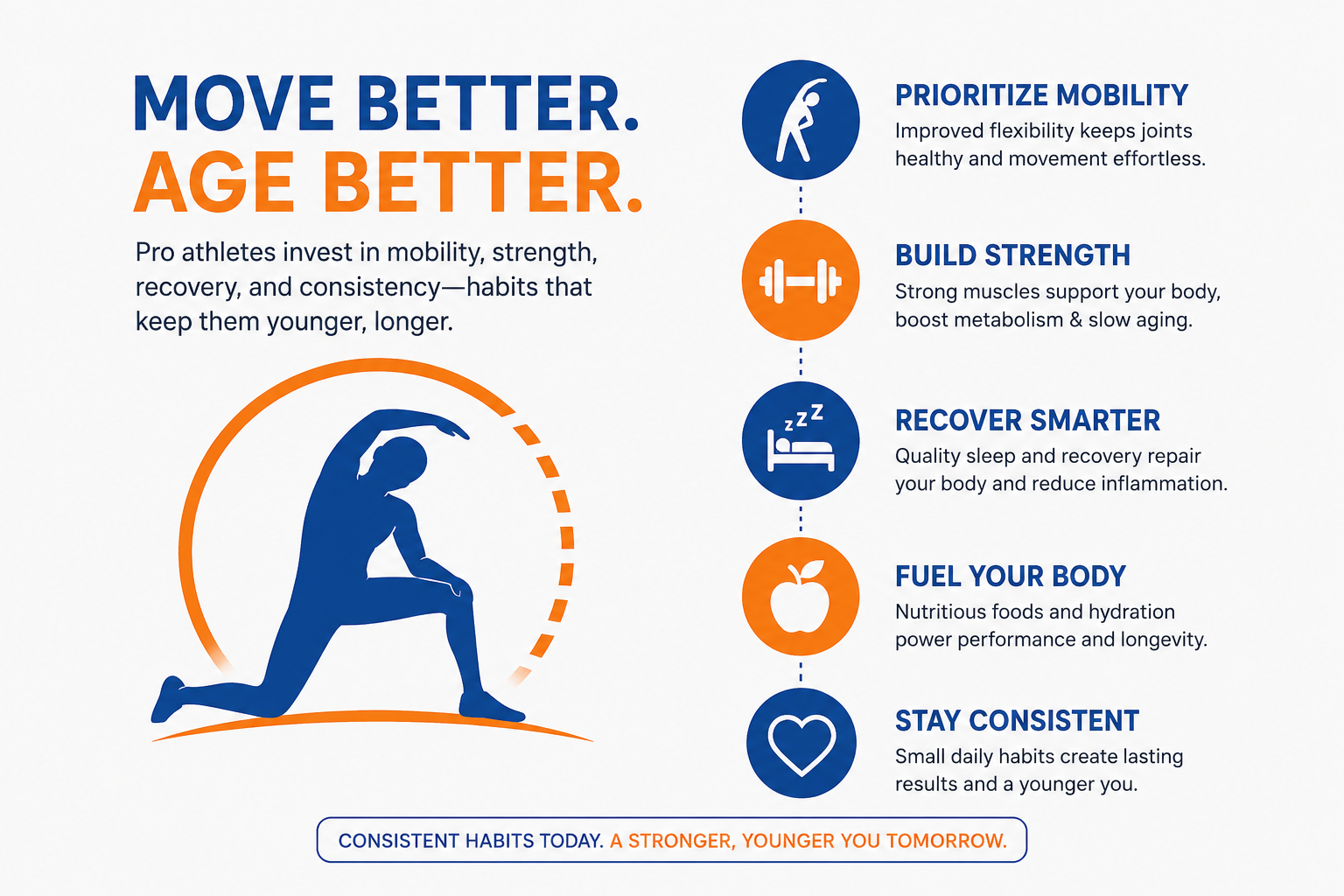
The most effective anti-aging strategies are surprisingly accessible:
- Prioritize mobility every week.
- Preserve muscle through resistance training.
- Sleep consistently.
- Stay physically active throughout the day.
- Focus on recovery, not just workouts.
- Address stiffness before it becomes pain.
- Improve flexibility and movement quality.
Many adults discover that why your body feels older than your age often has more to do with lifestyle habits than actual age. Small daily improvements can dramatically change how the body feels and functions over time.
Final Thoughts
Professional athletes don’t possess a magical anti-aging formula. They simply spend years protecting the systems that keep the body functioning at a high level.
Mobility, recovery, strength, flexibility, movement quality, and stress management all contribute to a younger biological age. While aging is inevitable, the rate at which we lose physical function is heavily influenced by our habits.
The lesson isn’t that athletes are immune to aging.
The lesson is that they train for longevity every single day.
FAQs
Why do athletes often look younger than their age?
Athletes typically maintain better muscle mass, cardiovascular health, mobility, and recovery habits. These factors support healthier aging and often contribute to a more youthful appearance.
Does stretching help slow the aging process?
Stretching helps preserve flexibility, mobility, posture, and movement quality. While it doesn’t stop aging, it can help reduce many physical limitations commonly associated with aging.
What is the most important anti-aging habit athletes follow?
Consistent recovery is one of the most important habits. Quality sleep, mobility work, hydration, and active recovery help the body repair itself and maintain long-term performance.
Can regular people use athlete-style recovery methods?
Absolutely. Mobility training, strength exercises, recovery sessions, and personalized fitness programs can benefit people of all ages and fitness levels, helping them move better and feel younger over time.