

StretchPlex

Stephen Rapposelli

Assisted stretching

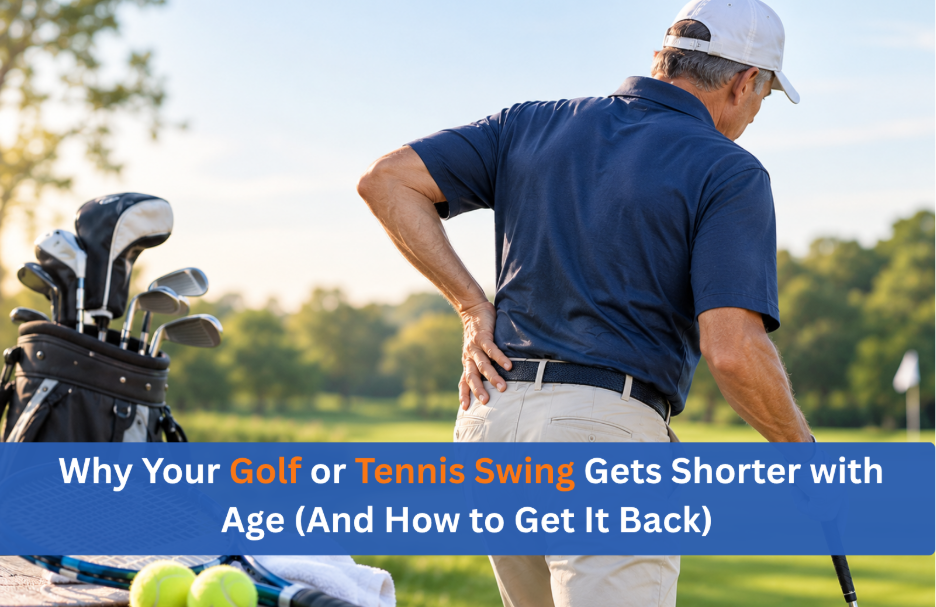
Why Your Golf or Tennis Swing Can Get Shorter with Age (And What Can Help)

Golf and tennis swings can feel shorter with age and reduce mobility. Changes in strength and slower recovery are some of the factors that may play a role. This article explains how mobility affects both swings and covers three ways to work on it: assisted stretching to improve range of motion, compression therapy to support

Why Your Golf or Tennis Swing Can Get Shorter with Age (And What Can Help) Read More »
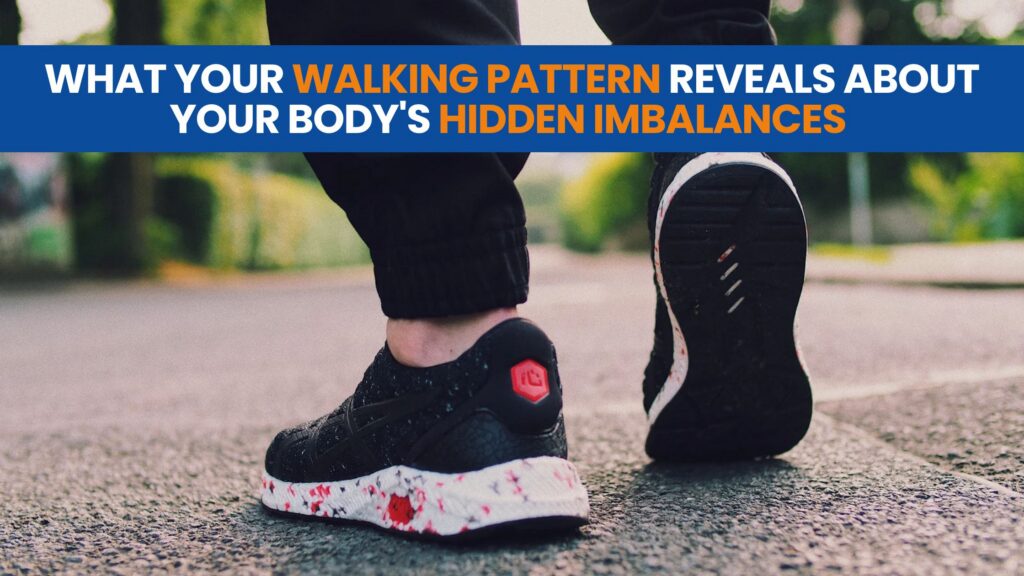
What Your Walking Pattern Reveals About Your Body's Hidden Imbalances

What Your Walking Pattern Reveals About Your Body’s Hidden Imbalances

Your walking pattern shows how well your joints, muscles, and nerves work together. A new limp, short steps, or a drifting hip can point to pain, weakness, stiffness, or a nerve problem. Muscle imbalances may play a part, but a healthcare provider has to find the real cause.  Most of us never think about how

What Your Walking Pattern Reveals About Your Body’s Hidden Imbalances Read More »

Assisted Stretching vs. Stretching on Your Own:

Assisted Stretching vs. Stretching on Your Own: What Actually Fixes Desk-Job Stiffness

Neither one fixes desk-job stiffness alone. Stretching on your own is free and works well for mild tightness. Assisted stretching adds a trained coach who guides your positions and range, so it often suits stubborn stiffness. The best fix combines both with regular movement breaks every 30 to 60 minutes.  You’ve tried the stretches. Maybe

Assisted Stretching vs. Stretching on Your Own: What Actually Fixes Desk-Job Stiffness Read More »

5 Signs Sitting All Day Is Slowly Wrecking Your Mobility

5 Signs Sitting All Day Is Slowly Wrecking Your Mobility

Five signs say sitting is hurting your mobility. Your hips feel tight when you stand. Your lower back aches by mid-afternoon. Your shoulders round forward. Walking and stairs feel harder than they used to. And your range of motion keeps shrinking. One sign alone is common. Several signs together mean your daily routine needs a

5 Signs Sitting All Day Is Slowly Wrecking Your Mobility Read More »

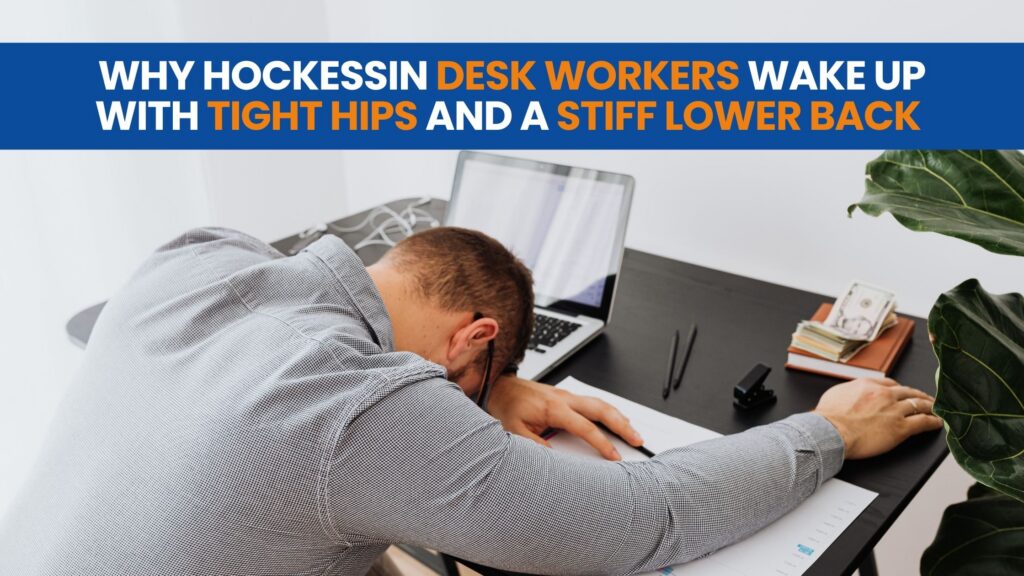
Why Hockessin Desk Workers Wake Up with Tight Hips and a Stiff Lower Back

Why Hockessin Desk Workers Wake Up with Tight Hips and a Stiff Lower Back

Hours of sitting keep your hips bent and your muscles still. Then you lie still all night, so the stiffness shows up the moment you stand. Short movement breaks, gentle hip stretches, and a few minutes of stretching after you wake can help. If the pain lingers or gets worse, see a healthcare professional.  You

Why Hockessin Desk Workers Wake Up with Tight Hips and a Stiff Lower Back Read More »

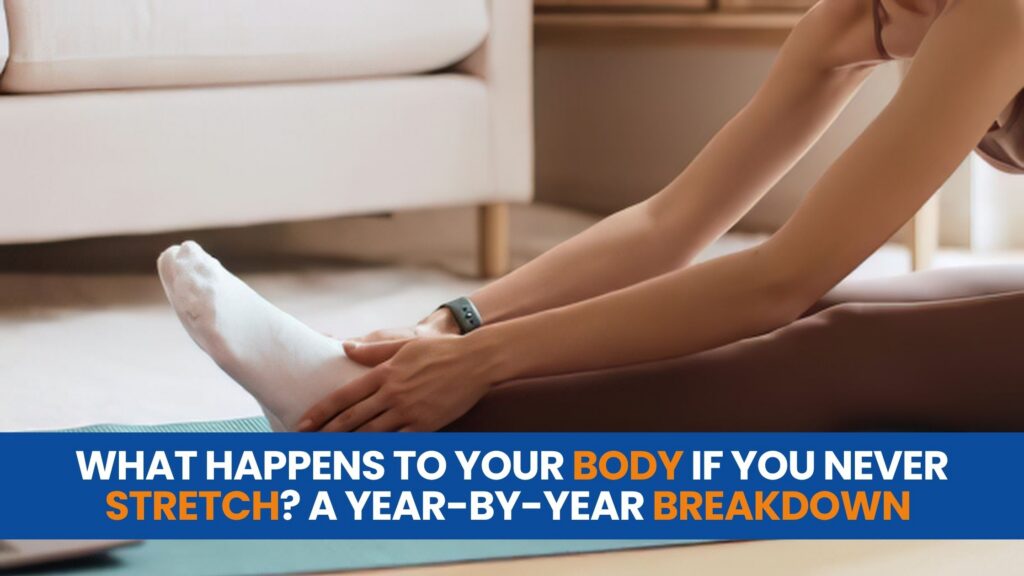
What Happens to Your Body If You Never Stretch? A Year-by-Year Breakdown

What Happens to Your Body If You Never Stretch? A Year-by-Year Breakdown

Skip stretching long enough and your body adapts to less movement. Joints lose range, muscle stiffness sets in, and poor posture becomes your new “normal.” The good news? Most of it is reversible with consistent, gentle movement – not a punishing routine.  1. You Usually Don’t Notice Mobility Loss All at Once It happened last

What Happens to Your Body If You Never Stretch? A Year-by-Year Breakdown Read More »

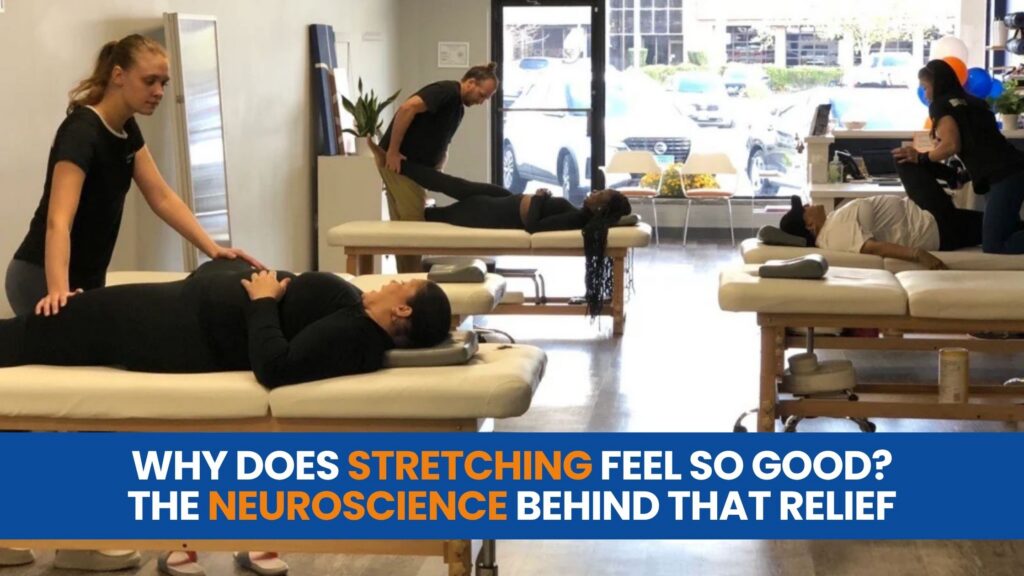
Why Does Stretching Feel So Good? The Neuroscience Behind That Relief

Why Does Stretching Feel So Good? The Neuroscience Behind That Relief

Stretching feels good because it does more than lengthen muscle — it signals your nervous system to relax protective tension. Muscle spindles (sensors in your muscles and joints) constantly report tension levels to your brain, and when a stretch tells them it’s safe to let go, your nervous system dials down tightness almost instantly. That’s

Why Does Stretching Feel So Good? The Neuroscience Behind That Relief Read More »

Scroll to Top
ChatGPT ChatGPT Claude Claude Google Google Perplexity Perplexity Grok Grok