Stretching is one of those things people kind of skip, even if it can honestly make a big difference for your whole body, and yeah, it’s not only about touching your toes or feeling “loose”. It also helps with health, movement, and even the way you feel mentally. If you’re an athlete, already into fitness, or you just want more mobility through full body stretching, adding it to your routine can help you chase your goals safer and more effectively. In this piece, we’ll sort out what stretching supports, and when it makes sense, so you’re not stuck guessing.
When should stretching be used?
Stretching can show up in lots of different moments, depending on what you want, and what your body is asking for that day. Here are some common times when it tends to help:
Before and after exercise
Stretching before you work out can help your muscles get ready, boost blood flow, and lower the chance of getting hurt. Then after training, it can support recovery, lessen that post-workout soreness, and help you regain range of motion and flexibility faster. A lot of people combine stretching with strength and flexibility training, because it tends to improve overall athletic output AND mobility.
During warm-up and cool-down
You can also use stretching as part of your warm-up, and again in your cool-down. Warm-up stretching may help nudge your heart rate a bit and get muscles “awake”, so you perform better. After that, cool-down stretching helps your body come back down to a resting rhythm. It can reduce muscle tension, ease stress, and even make relaxation feel easier.
As part of a daily routine
If you don’t exercise consistently, stretching still counts. A daily stretching habit can help you hold onto flexibility, reduce muscle imbalances, and avoid postural problems building up over time. It can also calm your body down, lowering stress, and muscle tightness. Some people even pair it with personal training sessions, just to keep their wellness plan more well-rounded.
To ease muscle tightness and soreness
If you get tight muscles from sitting for long stretches, or from posture habits, or from physical activity in general, stretching can help. Gentle stretching loosens things up, improves circulation, and reduces stiffness and discomfort. If tightness is more long-term, or your mobility is limited, assisted stretching services can be a solid option, since a pro can guide you through safer positioning.

Why is stretching important before and after?
Stretching around workouts gives a lot to both your body and mind. These are the main reasons:
Improves flexibility
Before exercising, stretching helps your muscles warm up and become more elastic, so you can move farther. Over time, regular full body stretching usually supports better posture and smoother movement quality.
Reduces injury risk
When muscles are warm and not as stiff, they’re less likely to get strained during training. Stretching may also help correct muscle imbalances, and improve posture, which can lower injury risk later.
Enhances performance
More flexibility and a better range of motion can directly support performance. You might notice improved athletic ability, better endurance, and even stronger training sessions. When stretching is paired with strength plus flexibility training, your mobility often improves even more.
Promotes recovery
After you exercise, stretching can reduce soreness and stiffness, while supporting faster recovery. That means you can “bounce back” quicker and reduce the chance of ongoing muscle irritation.
Do we need to stretch every day?
Here are a few key reasons people stretch regularly:
Helps maintain flexibility
Daily stretching helps keep your range of motion steady, so muscle imbalances and posture issues don’t accumulate as easily.
Reduces stress and tension
Stretching can lower stress held in the muscles, which may improve overall well-being and mental steadiness too. It’s like a slowdown switch, really.
Improves posture and alignment
When flexibility improves and tension eases, posture often follows. Better alignment can also reduce the odds of back pain and other posture-related problems. This is especially relevant in personal training for seniors, where staying mobile and stable supports everyday comfort and independence.
Promotes circulation
Stretching can increase blood flow and support circulation, with a few cardiovascular type benefits along the way.
The benefits of assisted stretching services
Adding stretching into your daily life supports your physical health and how you feel overall, including better flexibility, less injury risk, and stronger performance. Whether you’re active or not, stretching can be a smart part of a healthy lifestyle. When you use the right technique and focus on the exact muscle areas that need attention, you get more from the routine, and you stay safer.
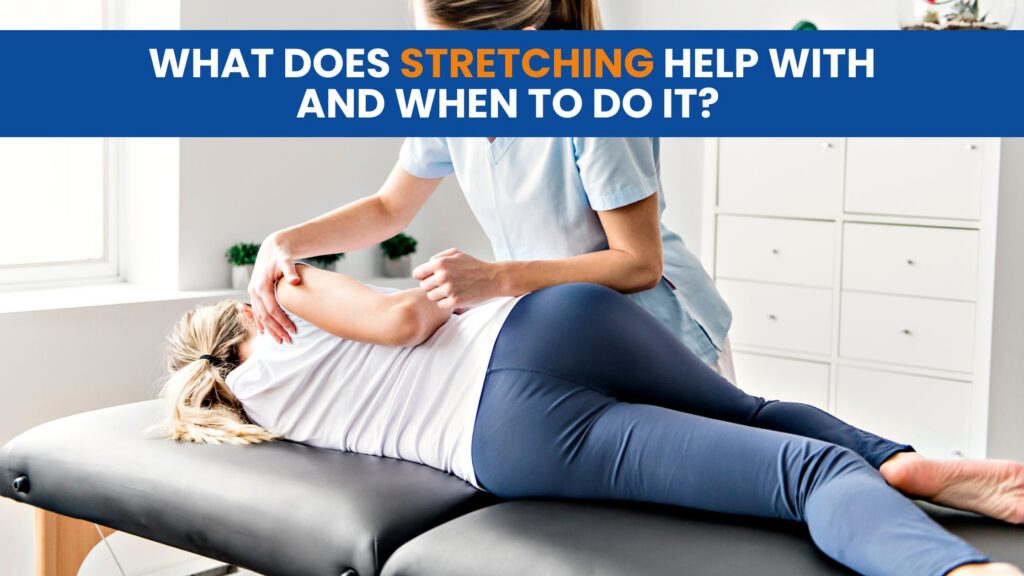
Plus, working with a skilled practitioner lets you zero in on specific problem zones. It helps your body reach the right range of motion without forcing anything. Professional assisted stretching services can boost flexibility, support recovery, and fit well alongside personal training sessions and rehab style plans.
Stretching support for all ages
Stretching isn’t just for athletes. It works across ages and fitness levels. If you’re an athlete, a desk worker, or you’re exploring personal training for seniors, consistent stretching can reduce stiffness and support long-term mobility.
Curious about our assisted stretching techniques? Book your first session with us today and see how our team can help you work toward your fitness goals with customized full body stretching and mobility-focused programs.
Frequently Asked Questions
How many times a week should I do a full body stretch?
For most people, full body stretching 3–5 times a week is ideal for improving flexibility, mobility, and muscle recovery. If you have tight muscles, sit for long hours, or exercise regularly, daily stretching can also beneficial. Consistency matters more than intensity, especially when building long-term flexibility and reducing stiffness.
Can you train strength and flexibility at the same time?
Yes, absolutely. Combining strength and flexibility training is one of the best ways to improve overall fitness, mobility, balance, and injury prevention. Many fitness routines now include both resistance exercises and stretching techniques to help muscles stay strong while maintaining a healthy range of motion.
What exercises does a personal trainer recommend for seniors?
A trainer offering personal training for seniors often recommends low-impact exercises that improve balance, mobility, strength, and flexibility. Common exercises include:
- Chair squats
- Resistance band exercises
- Walking or light cardio
- Gentle stretching
- Core strengthening
- Balance exercises
- Light weight training
These exercises help seniors maintain independence, improve posture, reduce stiffness, and support overall health safely and effectively.