


The best stretching exercises for sciatica are the supine figure 4, knees to chest, seated hamstring stretch, cat-cow, and standing hip flexor stretch. Do each one for about two minutes, once a day. Move slowly. Stop if pain shoots down your leg.
Sciatic pain often starts small. Your lower back feels tight on Monday. By Thursday, a sharp ache runs from your hip down your leg. If you’re over 50 and like to stay active, that can feel scary. Will moving make it worse?
Often, gentle movement helps. Almost everyone has back pain at some point, and you can do a lot at home before you see anyone. This 10-minute plan is a calm place to start. Some people also add assisted stretching when they want a trained hand to guide each move.
What Is Sciatica?
The sciatic nerve is the longest nerve in your body. It starts in your lower back, runs through your hips and glutes, and travels down each leg. Sciatica means that nerve is irritated or squeezed. A herniated disc is a common cause, since it can press on the nerve. A tight piriformis muscle in the glutes can do it too.
Common signs include:
- Aching or burning pain in the lower back or hip
- Pain that travels down the leg
- Tingling or numbness
- Tight hamstrings or glutes
Long hours of sitting make things worse. So do stiff hips and a weak core. If your core is the weak link, personal training can help you build it back up over time.
Does Stretching Help Sciatica?
For many people, yes. Stretching is a good first move. It can:
- Ease tension in tight muscles near the nerve
- Boost blood flow
- Improve hip and lower back mobility
- Take pressure off irritated tissue
Gentle is the key word. No bouncing. No forcing. No pushing through sharp pain. If a stretch sends a shooting pain down your leg, stop and talk with a doctor.
Stretching won’t fix every case. A herniated disc may need more help, like physical therapy. Some people also use percussion therapy to loosen tight glutes and hips before they stretch.
Your 10-Minute Sciatica Stretching Routine
Use a mat or soft carpet. Go slow and use good sense. This plan is for learning only. It isn’t medical treatment.
1. Supine Figure 4 Stretch (2 minutes)
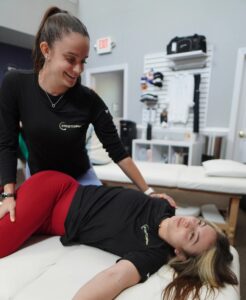
Why it helps: It targets the piriformis, a deep glute muscle. When that muscle gets tight, it can bother the sciatic nerve.
- Lie on your back with both knees bent.
- Cross one ankle over the opposite knee.
- Gently pull the bottom thigh toward your chest.
- Hold for 30 to 60 seconds.
- Switch sides.
Keep your head and shoulders loose.
2. Knees to Chest (2 minutes)
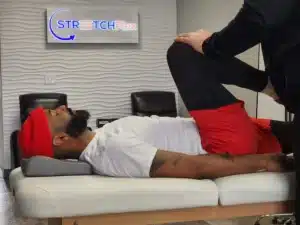
Why it helps: It opens the lower back and eases pressure there.
- Lie on your back.
- Gently hug both knees toward your chest.
- Hold for 20 to 30 seconds and breathe slowly.
- Repeat 2 to 3 times.
Both knees feel like too much? Pull one leg at a time.
3. Seated Hamstring Stretch (2 minutes)
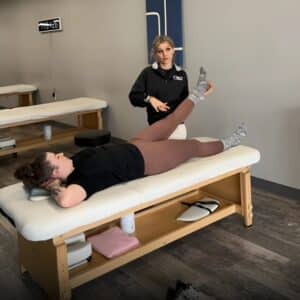
Why it helps: Tight hamstrings tug on the pelvis, and that can make sciatic pain worse.
- Sit with one leg straight out.
- Keep your back tall.
- Gently hinge forward from the hips.
- Hold for 20 to 30 seconds.
- Switch sides.
Don’t round your lower back. And don’t hold your breath.
4. Cat-Cow (2 minutes)
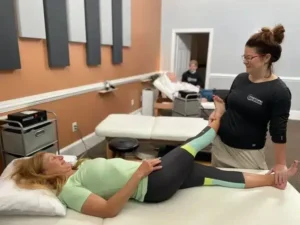
Why it helps: It helps your spine move and gets blood flowing.
- Start on your hands and knees.
- Breathe in and gently arch your back.
- Breathe out and round your spine.
- Repeat 8 to 10 times, nice and smooth.
5. Standing Hip Flexor Stretch (2 minutes)
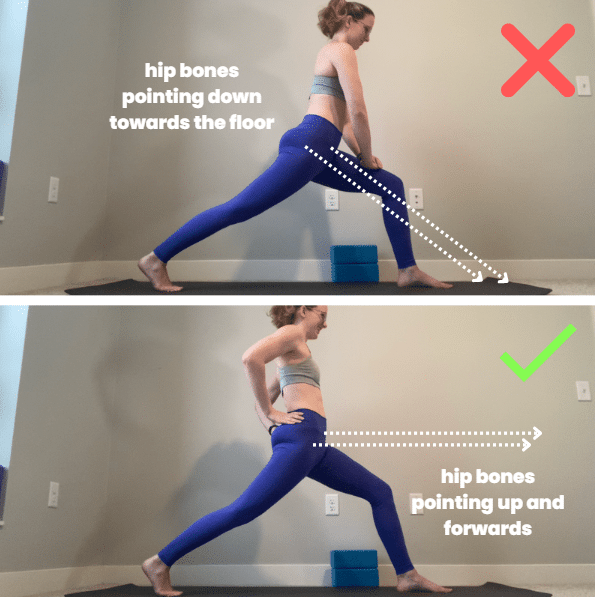
Why it helps: Sitting tightens the hip flexors, and that adds strain to your lower back. Desk workers, this one is for you.
- Step one foot back into a gentle lunge.
- Keep your torso upright.
- Tuck your hips slightly under.
- Hold for 20 to 30 seconds.
- Switch sides.
You should feel a pull in the front of the back leg. You may feel it in your back too.
Tips for Better Results
- Stretch once a day if you can.
- Move slowly.
- Breathe deep.
- Stop if pain grows.
- Stay steady.
Relief rarely shows up overnight. Small daily moves add up. If you sit most of the day, try one stretch every hour. Our stretching services are built for the same goal: more motion, less tightness.
When Home Stretching Isn’t Enough
Sometimes you hit a wall. You may feel stuck, or you may wonder if your form is right. That’s when one-on-one help pays off.
At StretchPlex, we work with adults across Northern Delaware who feel stiff, tight, or worried about nerve pain. Sessions are calm and fit your body. No forcing. No harsh moves. Just steady progress.
Ready to try one? Book a stretch session online. Curious about cost? See StretchPlex pricing. New here? Check the new client offer.
You can visit us in North Wilmington, Greenville, or Hockessin. Questions? Contact us or call 302-696-5966.
Many clients tell us the same thing after a few sessions: “I didn’t realize how tight I was until I finally relaxed.”
So start tonight. Ten minutes, five moves. If your pain keeps coming back or hasn’t eased in a few weeks, stop guessing and get it checked.
Frequently Asked Questions
What are the best stretches for sciatica pain relief?
The figure 4, knees to chest, seated hamstring stretch, cat-cow, and hip flexor stretch are great starting points. They work the glutes, hamstrings, hips, and lower back. The best stretch is the one that eases tension without raising your pain.
Can stretching cure sciatica?
Not always. Stretching can ease symptoms for many people. But a cure depends on the cause. A herniated disc, for example, may need more than stretching. Think of daily stretching as a smart first step, not a promise.
What stretches should I avoid with sciatica?
Skip deep, bouncy, or forced stretches. They can strain your back, hips, and legs. Also skip any move that sends a shooting pain down your leg. A mild pull is normal. Rising pain is not.
When should I see a doctor for sciatica?
See one if the pain gets worse, keeps coming back, or doesn’t ease after a few weeks. Get help right away for leg weakness or trouble with your bladder or bowels. A pro can find the cause, and assisted stretching can support your plan once you have the all-clear.