


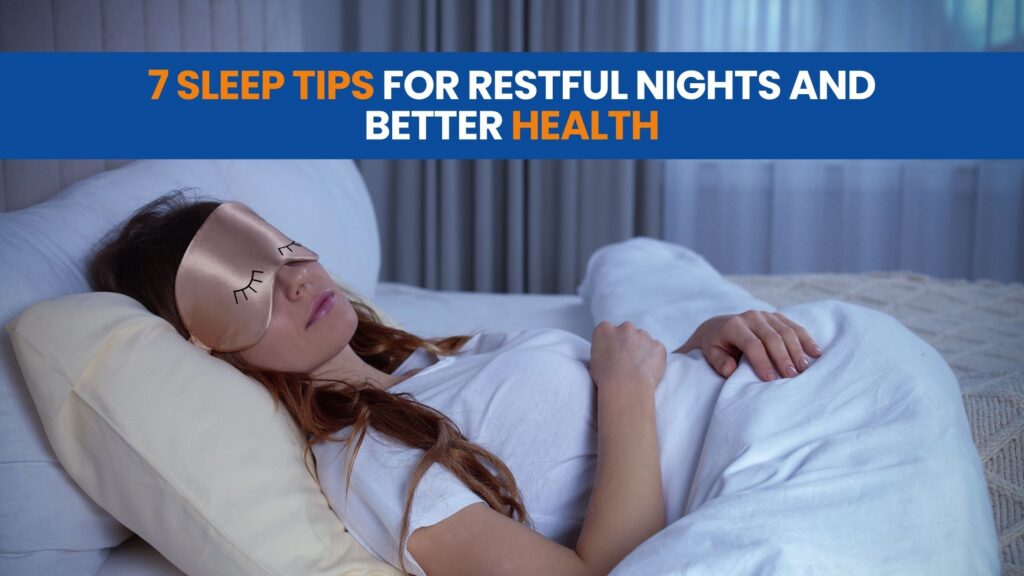
Sleep better by keeping a consistent schedule, building a calm bedtime ritual, optimizing your bedroom, cutting caffeine/heavy meals, timing exercise right, journaling worries away, and ditching clock-watching – these 7 habits directly restore your sleep-wake cycle and support long-term health.
Hey there, tired soul! A little sleepy this Monday?
Maybe you tossed and turned last night. Maybe you counted the sheep and got nowhere. Good sleep slips away from almost everyone at some point. A noisy room, late-night screen time, or a messy routine can wreck your sleep-wake cycle fast. The good news: small changes fix most of it. Nothing beats waking up refreshed and ready to go.
Here are seven simple tips to boost your sleep. They also support your circadian rhythm, your body’s own clock. That clock tells you when to feel awake and when to feel tired.
1. Embrace a Consistent Sleep Schedule
Our bodies love routines. Sleep is no different. Try to go to bed at the same time each night. Wake up at the same time too, even on weekends. This trains your body clock and steadies your sleep-wake cycle. Once it locks in, sleep gets easier. Falling asleep. Staying asleep. Waking up. All of it. You’ll also dodge that Monday morning sleep hangover. Give it a few weeks, and the whole cycle starts to feel automatic.
2. Create a Relaxing Bedtime Ritual
Skip the phone scroll. Skip the late-night show. Instead, try something calm. Read a book. Take a warm bath. Try a short meditation. These small rituals send a clear signal to your brain: it’s time to wind down. That signal supports healthy sleep hygiene more than most people realize.
Do NOT charge your phone in your bedroom. Not on your nightstand, please. Screens give off blue light, and blue light delays melatonin production. That’s the hormone your body needs to feel sleepy. Just one late scroll can push your bedtime back by 30 minutes or more.
3. Make Your Sleep Sanctuary Cozy
Think of your bedroom as a sanctuary, not a second office. Get a comfortable mattress. Get pillows that support how you sleep. My mother always said two things are worth the money: your bed, and your shoes.
Keep the room cool, dark, and quiet. That’s the whole formula for a good sleep environment. A cool room, around 65°F for most people, helps your body drop its core temperature. That drop is part of what triggers deep sleep. And banish the electronics that give off sleep-disturbing blue light. I’ve now said that twice.
4. Limit Caffeine and Heavy Meals
That morning coffee kick felt great. But caffeine can stay in your system for six hours or more. It quietly wrecks your sleep quality long after you forgot you had it. Try switching to decaf after lunch. Or cut caffeine off by early afternoon. Skip heavy meals close to bedtime too. Nobody wants heartburn while counting sheep.
And one more thing: alcohol doesn’t help you sleep. It might knock you out fast. But it breaks up your sleep and cuts into REM sleep. That’s the stage where your brain sorts out memory and mood. Sorry to be the one to say it.
5. Stay Active, But Not Too Close to Bedtime
Regular exercise is great for sleep. Timing matters, though. Get your sweat on during the day. It helps you fall asleep faster. It also gives you a deeper, restorative rest. A training plan can make this a habit, not a random event. And a habit is what moves the needle.
Skip the hard workouts right before bed. The post-workout buzz can keep you tossing and turning for an hour or more. So can a spike in body heat and adrenaline. Tight, sore muscles from a hard day can also block muscle recovery and make it hard to get comfortable. Loosen that up earlier in the evening, and lying still stops feeling like a fight against your own body.

6. Tame the Worry Monster
We have all been there. Lying in bed. Mind racing at a hundred miles an hour. Fight that bedtime anxiety with a journal. Jot down your thoughts. Or write tomorrow’s to-do list before you turn off the light. This small trick supports better sleep habits by clearing the clutter in your head before it follows you to bed.
7. Ditch the Clock-Watching Habit
The more you stare at the clock, the more you stress. It’s a vicious cycle. It feeds insomnia instead of fixing it. Turn your clock away from view. If you wake up at 3 a.m., don’t check the time. Try slow breathing instead. Or a simple body scan. Let your mind drift back down on its own.
You’re now armed with real tools for better rest. Good sleep is the foundation of a healthy, happy life. It ties to your immune system, your mood, and even your long-term heart health. So don’t sell it short. Sweet dreams, and here’s to a well-rested, energetic you tomorrow. Sleep tight.
Down below, I added a bonus video. It shows a simple trick for getting your neck and head into the right spot when you lie down. Try it.
FAQs
What is sleep hygiene, and why does it matter?
Sleep hygiene means the habits that shape your sleep. Your schedule. Your bedroom setup. Screen use. What you eat before bed. Good sleep hygiene keeps your circadian rhythm steady. That makes falling asleep, and staying asleep, much easier.
How many hours of deep sleep do adults need each night?
Most adults need seven to nine hours of sleep total. Roughly 15 to 20 percent of that should be deep sleep. Deep sleep is when your body repairs tissue and builds muscle. It also strengthens your immune system. Cut it short, and you feel it the next day.
Can stretching before bed actually improve sleep quality?
Yes. Gentle stretching lowers muscle tension. It also calms the nervous system. Both help your sleep quality. Many people with tight muscles from training or long workdays find a guided stretch session makes it easier to fall asleep and stay asleep.
Why does blue light affect sleep so much?
Blue light from phones and screens blocks melatonin production. That’s the hormone that tells your brain it’s time to sleep. Even 30 minutes of scrolling can delay your sleep-wake cycle. That’s why cutting screens an hour before bed makes such a big difference.