


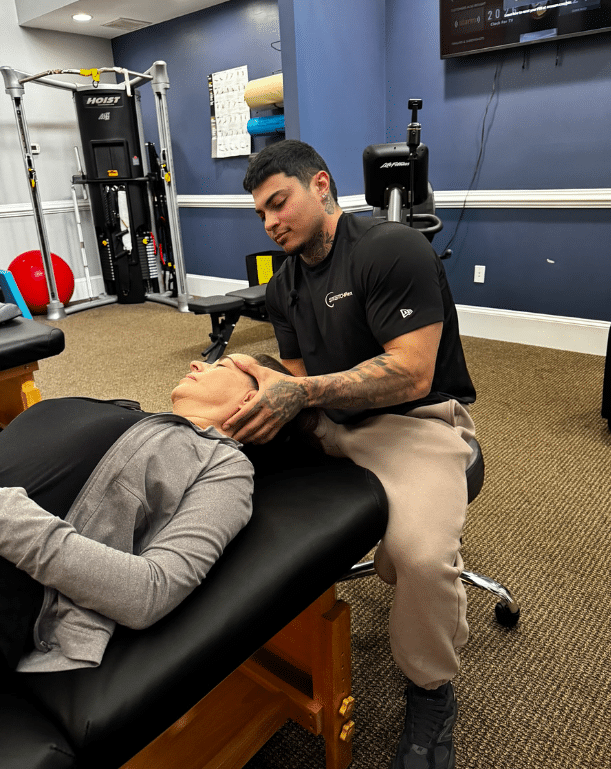
The Quick Summary: Sciatica pain can feel scary, but gentle movement is often the best medicine. This 10-minute plan focuses on decompressing the nerve through slow, controlled stretches like the Figure 4 and Cat-Cow. The goal isn’t to push through pain, but to create space for your body to heal.
Sciatic pain can sneak up on you. One day, your lower back feels tight. The next, there’s a sharp ache running down your hip or leg. If you’re over 50 and trying to stay active, that kind of pain can feel scary. You might wonder if movement will make it worse. Honestly, we don’t know anyone who hasn’t had back and sciatic-type pain at some point in their life!
In many cases, gentle, guided movement can help. There are a lot of things you can do on your own to help this problem even before going to the experts. If you’ve been searching for stretching exercises for sciatica, this simple 10-minute plan is a safe place to start.
Some people also choose to explore Assisted Stretching when they want extra guidance with these types of movements.

What Is Sciatica?
- The sciatic nerve is the longest in the body.
- Sciatic nerve pain can show up anywhere along this area.
- A common cause of sciatic nerve pain is disc herniation.
- A disc herniation presses on the sciatic nerve.
Sciatica happens when the sciatic nerve gets irritated or compressed. That nerve runs from your lower back, through your hips and glutes, and down each leg. Common symptoms include:
- Aching or burning pain in the lower back or hip
- Pain that travels down the leg
- Tingling or numbness
- Tight hamstrings or glutes
For many adults, long hours of sitting, stiff hips, or weak core muscles are part of the problem. Tightness in the back and legs also contributes to these symptoms.
Does Stretching Help Sciatica?
You might be asking, “Does stretching help sciatica?” For many people, yes. Stretching can be a good “first line of defense” against sciatica. The right kind of stretching for sciatica pain can:
- Reduce tension in tight muscles around the nerve
- Improve blood flow
- Increase hip and lower back mobility
- Lower pressure on irritated tissues
The key is gentle, controlled movement—not forcing, not bouncing, and not pushing through sharp pain. If any stretch causes shooting pain down your leg, stop and talk with a medical professional.
10-Minute Daily Stretching Plan for Sciatica
These stretching exercises for sciatica are designed to be slow and steady. You can do them on a mat or soft carpet. As always, be careful and use good judgment with any activity. These examples are for educational purposes only, not any kind of treatment.
1. Supine Figure 4 Stretch (2 minutes)

Why it helps: This stretch targets the piriformis muscle in the glutes. When tight, it can irritate the sciatic nerve.
How to do it:
- Lie on your back with both knees bent.
- Cross one ankle over the opposite knee.
- Gently pull the bottom thigh toward your chest.
- Hold for 30 to 60 seconds.
- Switch sides.
- Keep your head and shoulders relaxed.
2. Knees to Chest (2 minutes)
Why it helps: This stretch opens the lower back and relieves pressure.
How to do it:
- Lie on your back.
- Gently pull both knees toward your chest.
- Hold for 20 to 30 seconds.
- Breathe slowly.
- Repeat 2 to 3 times.
- If pulling both knees is uncomfortable, do one leg at a time.
3. Seated Hamstring Stretch (2 minutes)

Why it helps: Tight hamstrings can pull on the pelvis and worsen sciatic discomfort.
How to do it:
- Sit with one leg extended.
- Keep your back tall.
- Gently hinge forward at the hips.
- Hold for 20 to 30 seconds.
- Switch sides.
- Avoid rounding your lower back. Always breathe through any stretch—no holding your breath!
4. Cat-Cow (2 minutes)
Why it helps: This movement improves spinal mobility and circulation.
How to do it:
- Start on your hands and knees.
- Inhale and gently arch your back.
- Exhale and round your spine.
- Move slowly for 8 to 10 repetitions.
- Keep the movement smooth and controlled.
5. Standing Hip Flexor Stretch (2 minutes)
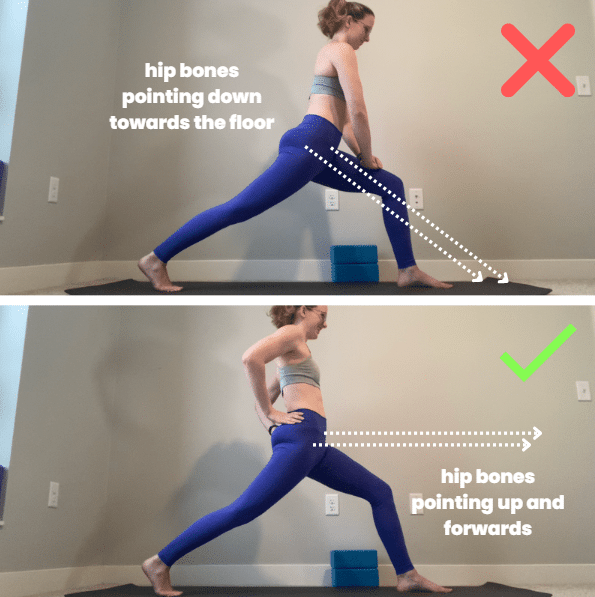
Why it helps: Tight hip flexors from sitting can increase lower back strain. This is a great one for people who sit a lot!
How to do it:
- Step one foot back into a gentle lunge.
- Keep your torso upright.
- Tuck your hips slightly under.
- Hold for 20 to 30 seconds.
- Switch sides.
- You should feel a stretch in the front of the back leg. You can also feel it in your back.
A Few Important Tips
- Stretch once daily if possible.
- Move slowly.
- Breathe deeply.
- Stop if pain increases.
- Stay consistent.
Relief does not usually happen overnight, but small daily actions can add up. Try doing one of these stretches per hour for a regular habit of movement throughout the day.
When You Need More Than Home Stretching
Sometimes stretching for sciatica pain at home is not enough. You may feel stuck or unsure if you are doing it correctly. That is where one-on-one guidance can make a big difference.
At StretchPlex, we work with many adults in Northern Delaware who feel stiff, tight, or worried about nerve pain. Our assisted stretching sessions are calm, supportive, and tailored to your body. No forcing. No aggressive movements. Just safe progress.
If you are curious about session costs or options, you can also review StretchPlex Pricing before scheduling your visit.
Many of our clients say the same thing after a few sessions:
“I didn’t realize how tight I was until I finally relaxed.”
If you are local and want help, you can learn more at www.stretchplexnow.com or call 302-696-5966. You can also check Our locations to find the nearest StretchPlex studio.
You deserve to move with confidence again. If you try this 10-minute routine, stay patient with yourself. Gentle stretching exercises for sciatica can be a powerful first step toward feeling more comfortable, steady, and free in your body.
Frequently Asked Questions
1. How often should I stretch for sciatica pain?
For many people, stretching once a day is a good starting point. A short routine, like this 10-minute plan, can help reduce tightness and improve mobility. The most important thing is staying consistent and moving gently.
2. Can stretching really help sciatica?
In many cases, yes. Gentle stretching can help loosen tight muscles around the sciatic nerve. It may also improve blood flow and help your hips and lower back move more freely.
3. What if a stretch causes pain?
Stretching should never cause sharp or shooting pain down your leg. If that happens, stop the stretch right away. It may be best to rest and talk with a medical professional before continuing.
4. How long does it take to feel relief from stretching?
Some people feel a little better after a few days of regular stretching. For others, it may take a few weeks. Small daily movements can add up over time.
5. When should I get extra help for sciatica?
If your pain keeps coming back, gets worse, or does not improve after a few weeks, it may be helpful to get guidance from a professional. Extra support can help make sure you are moving safely and correctly.