
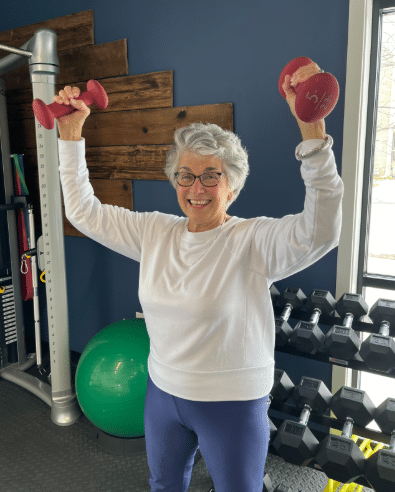
As we get older, it’s normal to notice changes in strength, balance, and energy. As I get older, I want to be stronger, but I realize I need to do it safely. Here is how you can get stronger safely without risking hurting yourself. Everyday things like getting up from a chair, climbing stairs, or carrying groceries may feel harder than they used to.
Proper strength training for seniors is one of the most effective ways to stay active, independent, and confident. Even people who begin strength training later in life can improve muscle strength, mobility, and overall health. Even people in their 90s can increase overall strength by regular strength training.
The key is starting safely and building gradually.
Is Strength Training Safe for Seniors?
Yes. Safe strength training for seniors is widely recommended by physical therapists because it helps maintain muscle, protect joints, and improve balance.
As we age, adults naturally lose muscle mass. This process can lead to weakness, poor balance, and a higher risk of falls. Strength training helps slow and even reverse some of these changes.
When done properly, resistance training for older adults can help:
- Improve muscle strength
- Increase bone density and bone health
- Reduce joint pain and stiffness
- Improve balance and coordination
- Support fall prevention
- Boost energy and confidence
Many seniors are surprised by how quickly they begin to feel stronger once they start a simple routine. Pairing strength training with a daily stretching routine can accelerate those early gains even further.
Can People Over 70 Start Strength Training?
Absolutely. Many people begin strength training exercises for seniors over 70 and experience meaningful improvements in strength and mobility.
The body can adapt to exercise at any age. Seniors in their 70s and 80s often notice benefits such as:
- Easier walking and climbing stairs
- Better posture and better marriage
- Improved balance
- Reduced fear of falling
- Greater independence in daily life
The most important thing is to begin with simple movements and progress slowly. Working with a personalized training program for adults ensures that the progression is tailored to your specific needs and fitness level.
How Often Should Seniors Strength Train?
A common question is how often seniors’ strength train should. For
most older adults, a good starting point is:
Two to three strength sessions per week.
This schedule gives the muscles time to recover while still allowing steady progress. Each session can be short. Even 20 to 30 minutes of muscle strengthening exercises for older adults can produce noticeable benefits when done consistently.
Beginner Strength Training for Seniors
When starting beginner strength training for seniors, the goal is to focus on movements that support everyday activities. Use bigger muscles and functional movements. These exercises improve strength in the legs, hips, back, and arms, which are all important for mobility and independence.
Chair Squats
Chair squats help strengthen the legs and hips.
- How to do it: Stand in front of a sturdy chair. Slowly sit down and stand back up. Keep your chest tall and feet flat on the floor.
- Note: This exercise improves the ability to stand up from a seated position. Did you know that doing 30 chair squats after every meal also regulates your blood sugar levels?
Wall Push-Ups
Wall push-ups strengthen the chest, shoulders, and arms.
- How to do it: Stand facing a wall. Place your hands on the wall at shoulder height. Bend your elbows and gently push away from the wall.
- Note: This movement builds upper body strength without stressing the joints. As long as you have a wall, you can strengthen your upper body safely!
Resistance Band Rows
Resistance bands are excellent tools for at home strength training for seniors.
- How to do it: Attach a resistance band to a door handle. Sit or stand tall. Pull the band toward your body while squeezing your shoulder blades together.
- Note: This exercise strengthens the upper back and improves posture. This exercise can even make you taller! If you’re curious about how posture and height are connected, check out this article on whether stretching can make you taller or just improve posture.
Seated Leg Extensions
This exercise targets the thighs. It is a basic exercise that almost everyone can do. They key here is to do a lot of repetitions and squeeze your thigh muscle as hard as possible.
- How to do it: Sit in a chair. Slowly extend one leg straight. Lower it back down with control.
- Note: Strong leg muscles are essential for walking and balance. Leg muscle strength is a primary indicator of longevity!
Standing Calf Raises
Calf raises help with stability and walking.
- How to do it: Hold onto a chair or countertop. Rise up onto your toes. Lower slowly back to the floor.
- Note: This exercise improves lower leg strength and balance.
Special Considerations
Strength Training for Seniors with Arthritis
Many people worry about strength training for seniors with arthritis, but the right exercises can help reduce pain. Strengthening the muscles around the joints provides more support and stability.
- Use light resistance or bands
- Move slowly and with control
- Avoid exercises that cause sharp pain
- Focus on gentle range of motion
Strength Training for Bone Health
Bones become less dense as we age, which increases the risk of fractures. Weight-bearing and resistance exercises stimulate the bones and help maintain bone strength. You must do relatively heavier weights to really strengthen your bones safely, so definitely seek out a physical therapist for this.
Strength Training for Fall Prevention
Strength training improves leg strength, core stability, balance, and reaction time. These improvements make it easier to catch yourself, stay steady, and move confidently.
Common Mistakes to Avoid
When beginning strength training exercises for seniors, avoiding a few common mistakes can make the experience safer and more enjoyable:
- Starting with weights that are too heavy
- Skipping warm-ups
- Holding your breath during exercises
- Trying to push through pain
- Exercising too many days in a row without rest
Staying Strong as You Age
Starting strength training for seniors does not require heavy weights or complicated workouts. Simple movements performed consistently can make a huge difference. Over time, seniors often notice less stiffness, better balance, increased energy, and greater independence.
If you are ready to begin safe strength training for seniors, starting with a simple, guided program can help you feel confident and supported every step of the way. At Stretchplex, our expert coaches specialize in working with older adults to build strength safely, move better, and feel more confident in everyday life – so you never have to figure it out alone.
Frequently Asked Questions
1. Is strength training safe for seniors?
Yes, when done properly, it helps improve strength, balance, and overall health.
2. Can people over 70 start strength training?
Yes,it’s never too late. Even seniors in their 70s, 80s, and beyond can benefit.
3. How often should seniors train?
2–3 times per week is ideal for steady progress and recovery.
4. What are easy exercises to start with?
Chair squats, wall push-ups, resistance band rows, leg extensions, and calfraise.
5. What safety tips should seniors follow?
Start light, move slowly, avoid pain, warm up, and rest between sessions.